Japanese Katsu Bowls with Tonkatsu Sauce Recipe – Easy Dinner
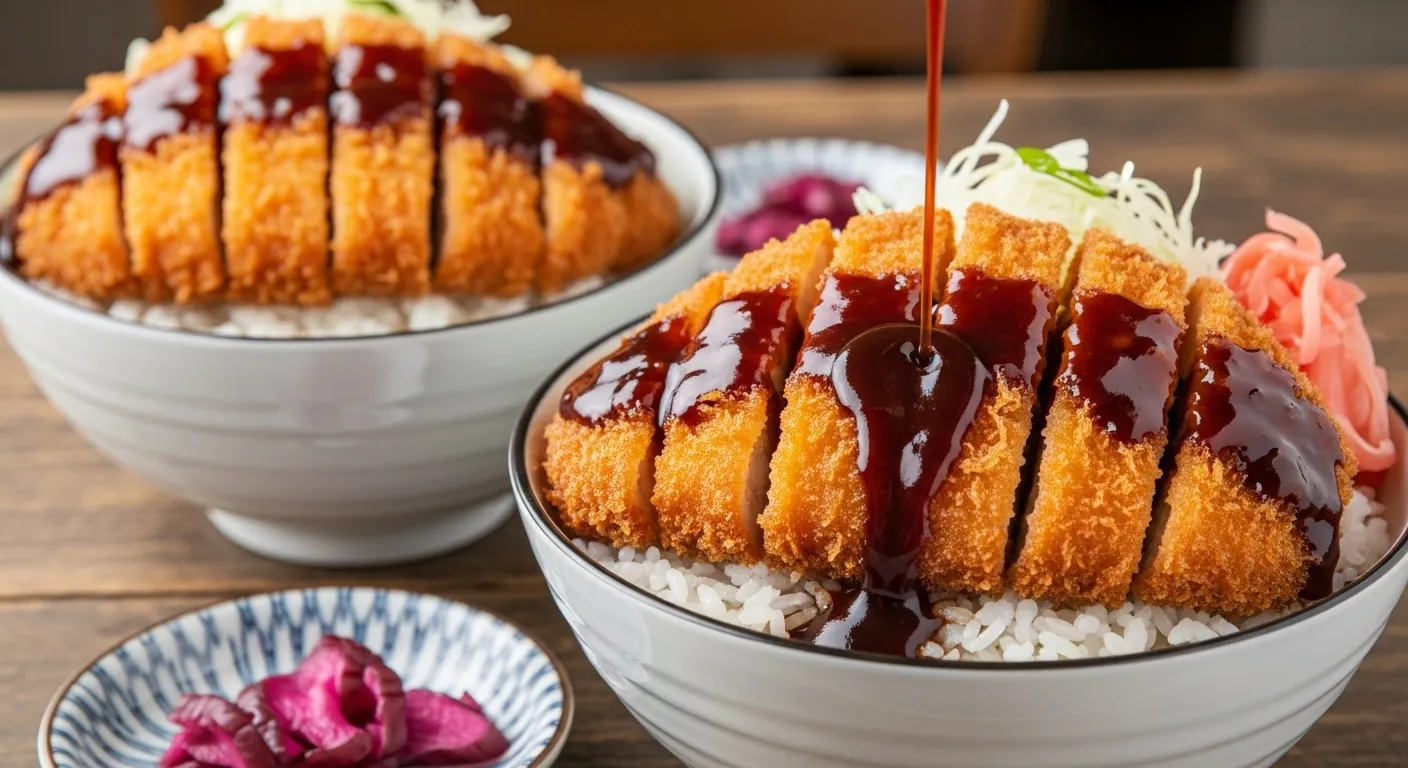
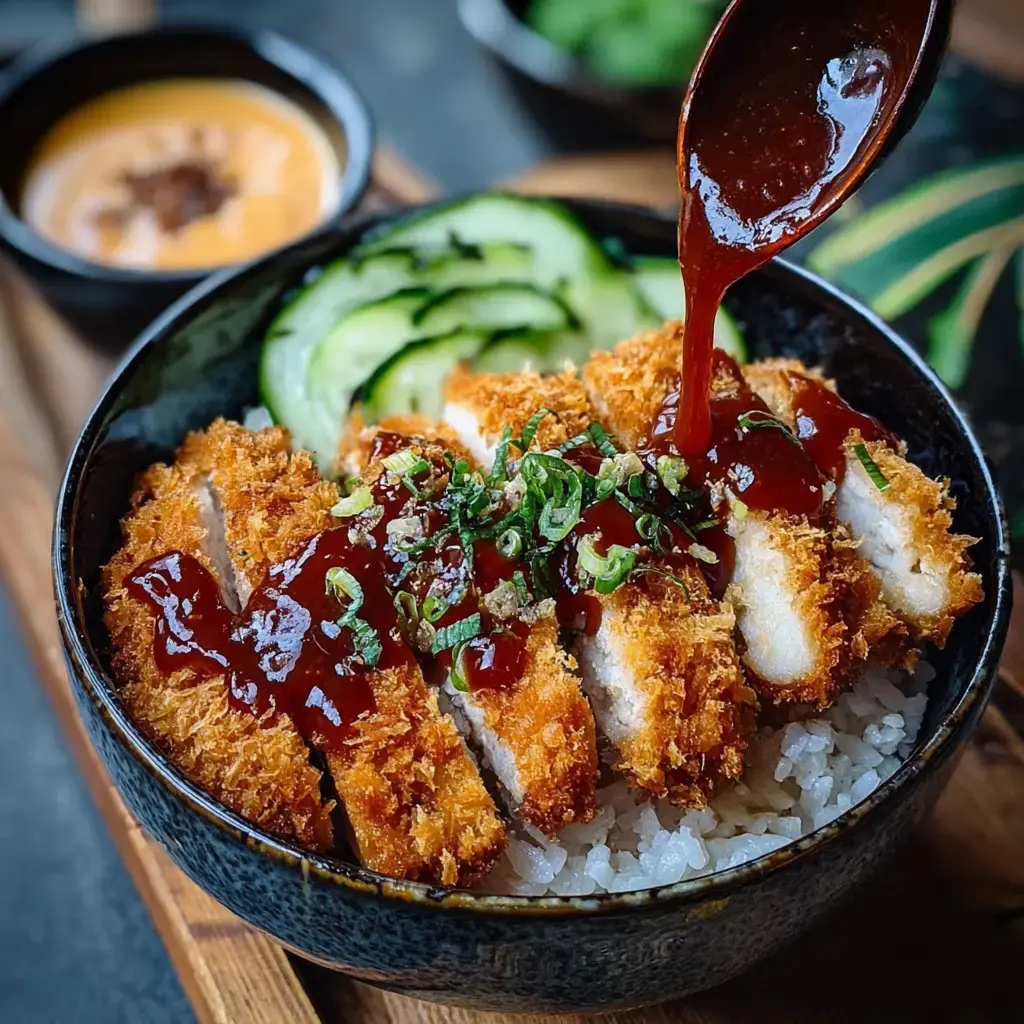
Crispy, golden, and bursting with authentic Japanese flavors, Japanese Katsu Bowls with Tonkatsu Sauce Recipe is the ultimate weeknight dinner that brings restaurant-quality taste to your home kitchen. This satisfying dish features perfectly breaded and fried pork cutlets (or chicken) served over fluffy steamed rice, drizzled with a sweet and tangy tonkatsu sauce, and topped with fresh cabbage slaw. It’s the kind of meal that fills your kitchen with tempting aromas and has everyone eager to dig in.
Each bite delivers a satisfying combination of textures—crispy panko-crusted meat, soft fluffy rice, crunchy cabbage, and that signature glossy sauce. Whether you’re cooking for a busy weeknight or creating an impressive Japanese-inspired dinner, this Japanese Katsu Bowls with Tonkatsu Sauce Recipe is as simple to make as it is delicious. Add your favorite toppings like pickled ginger, sesame seeds, green onions, or a drizzle of Japanese mayo for a colorful, customizable meal that tastes like you ordered takeout from your favorite Japanese restaurant.
Why You’ll Love This Japanese Katsu Bowls with Tonkatsu Sauce Recipe
- Restaurant flavor at home: All the crispy, savory goodness of authentic Japanese katsu without leaving your kitchen.
- Perfectly crispy coating: The triple-breading technique with panko creates an incredibly crunchy, golden crust every time.
- Quick and satisfying: Ready in about 35 minutes, making it perfect for weeknight dinners when you want something special.
- Family-friendly favorite: Kids love the crispy breaded cutlets and sweet sauce, while adults appreciate the authentic Japanese flavors.
- Versatile and adaptable: Use pork, chicken, or even tofu—plus customize the toppings to suit everyone’s preferences.
Preparation Phase & Tools to Use (Essential Tools and Equipment, Plus Why They Matter)
Before diving into this delicious Japanese Katsu Bowls with Tonkatsu Sauce Recipe, having the right tools on hand will make everything smoother—from prep to plating.
Essential Tools & Why You Need Them:
Meat Mallet or Rolling Pin
Essential for pounding the cutlets to even thickness, ensuring they cook uniformly and stay tender and juicy.
Three Shallow Bowls or Plates
For setting up your breading station with flour, egg wash, and panko—the key to that perfect crispy coating.
Large Heavy-Bottomed Skillet or Dutch Oven
Deep enough to hold 1-2 inches of oil for proper frying, with even heat distribution for golden, crispy results.
Cooking Thermometer
Ensures your oil stays at the perfect 350°F (175°C) for crispy, not greasy, cutlets.
Wire Rack and Baking Sheet
For draining fried cutlets—keeps them crispy by allowing air to circulate rather than sitting in oil.
Sharp Knife & Cutting Board
For slicing the cooked katsu, shredding cabbage, and preparing garnishes like green onions.
Having these items prepped and within reach makes the cooking process seamless and enjoyable.
Preparation Tips
- Pound cutlets to even thickness (about ½ inch)—this ensures they cook evenly and stay tender throughout.
- Pat meat completely dry before breading—moisture is the enemy of crispy coating.
- Let breaded cutlets rest for 10 minutes before frying—this helps the coating adhere better and prevents it from falling off.
- Don’t overcrowd the pan when frying—work in batches to maintain oil temperature for maximum crispiness.
- Use fresh panko breadcrumbs for the crunchiest texture—stale panko won’t give you that signature crispy coating.
- Let cutlets rest on a wire rack after frying—this prevents the bottom from getting soggy and maintains crispiness.
These small touches make a big difference in achieving authentic Japanese katsu perfection.
Ingredients for This Japanese Katsu Bowls with Tonkatsu Sauce Recipe
Here’s everything you’ll need to bring this bold, satisfying Japanese Katsu Bowls with Tonkatsu Sauce Recipe to life. Most of the ingredients are easy to find at any grocery store or Asian market.
For the Katsu Cutlets:
- 4 boneless pork chops (or chicken breasts), about 1 lb total
- Salt and black pepper to taste
- 1 cup all-purpose flour
- 2 large eggs, beaten
- 2 cups panko breadcrumbs (Japanese-style)
- Vegetable oil for frying (about 2 cups)
For the Tonkatsu Sauce:
- ½ cup ketchup
- 3 tablespoons Worcestershire sauce
- 2 tablespoons soy sauce
- 2 tablespoons brown sugar
- 1 tablespoon mirin (or rice vinegar)
- 1 teaspoon Dijon mustard
- 1 clove garlic, minced
For the Bowls:
- 4 cups cooked Japanese short-grain rice (or jasmine rice)
- 2 cups shredded cabbage
- 2 tablespoons rice vinegar
- 1 teaspoon sugar
- Pinch of salt
Optional Toppings:
- Toasted sesame seeds
- Sliced green onions
- Pickled ginger
- Japanese mayo (Kewpie)
- Soft-boiled eggs
- Shredded nori (seaweed)
Everything in this list balances texture and flavor—the crispy cutlets pair beautifully with the sweet-savory tonkatsu sauce. The toppings are optional but add authenticity and visual appeal.
Step 1: Prepare the Tonkatsu Sauce
In a small saucepan, combine ketchup, Worcestershire sauce, soy sauce, brown sugar, mirin, Dijon mustard, and minced garlic. Whisk together over medium heat and bring to a gentle simmer. Cook for 3-4 minutes, stirring occasionally, until the sauce thickens slightly and becomes glossy. Remove from heat and set aside to cool.
Step 2: Prepare and Bread the Cutlets
Place the pork chops or chicken breasts between two sheets of plastic wrap and pound with a meat mallet until they’re about ½ inch thick and even throughout. Season both sides generously with salt and pepper.
Set up your breading station with three shallow bowls: one with flour, one with beaten eggs, and one with panko breadcrumbs. Dredge each cutlet first in flour (shaking off excess), then dip in egg (letting excess drip off), and finally coat thoroughly with panko, pressing gently to ensure the breadcrumbs adhere well. Place breaded cutlets on a plate and let rest for 10 minutes.
Step 3: Prepare the Cabbage Slaw
While the cutlets rest, combine shredded cabbage with rice vinegar, sugar, and a pinch of salt in a bowl. Toss well and let it sit to slightly pickle and soften. This adds a refreshing crunch to your Japanese Katsu Bowls with Tonkatsu Sauce Recipe.
Step 4: Fry the Cutlets
Heat about 1-2 inches of vegetable oil in a large heavy-bottomed skillet or Dutch oven over medium-high heat until it reaches 350°F (175°C). Carefully place 1-2 cutlets in the hot oil (don’t overcrowd) and fry for 3-4 minutes per side until deep golden brown and cooked through (internal temperature should reach 145°F for pork or 165°F for chicken).
Remove the fried cutlets and place them on a wire rack set over a baking sheet to drain excess oil. Repeat with remaining cutlets, allowing the oil to return to temperature between batches.
Step 5: Assemble the Bowls
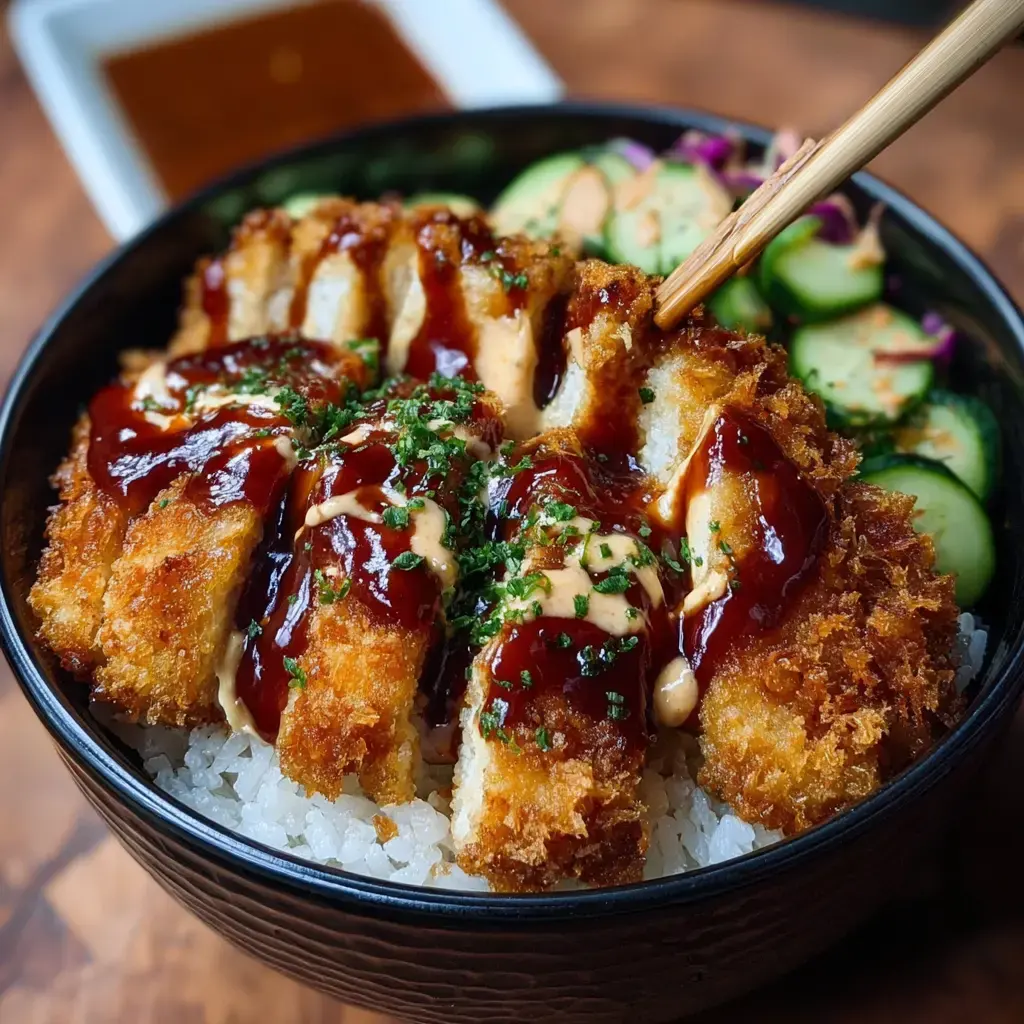
Divide the cooked rice among four serving bowls. Slice each katsu cutlet into strips and arrange over the rice. Top with a generous portion of the pickled cabbage slaw.
Drizzle the homemade tonkatsu sauce generously over the sliced cutlets. Garnish with sesame seeds, sliced green onions, pickled ginger, or a drizzle of Japanese mayo as desired. Serve immediately while the katsu is still hot and crispy.
Notes
Protein Options: Traditional katsu uses pork, but chicken breast works beautifully. For a vegetarian version, try extra-firm tofu or thick slices of eggplant.
Baking Alternative: For a lighter version, bake breaded cutlets at 425°F (220°C) on a greased baking sheet for 20-25 minutes, flipping halfway through.
Store-Bought Sauce: If short on time, bottled tonkatsu sauce (like Bull-Dog brand) is available at Asian markets and works perfectly.
Watch Out for These Mistakes While Cooking
- Skipping the pounding step: Uneven cutlets cook unevenly—some parts will be dry while others are undercooked.
- Using regular breadcrumbs instead of panko: Regular breadcrumbs don’t create the same light, crispy texture that makes authentic katsu special.
- Oil temperature too low: Cold oil makes greasy, soggy cutlets instead of crispy golden ones. Always use a thermometer.
- Oil temperature too high: Too-hot oil burns the coating before the meat cooks through. Maintain steady 350°F.
- Overcrowding the pan: Too many cutlets at once drops the oil temperature dramatically, resulting in greasy coating.
- Not letting the coating rest: Frying immediately after breading often causes the coating to fall off—patience pays off.
- Draining on paper towels only: Paper towels trap steam underneath, making the bottom soggy. Always use a wire rack.
- Cutting the katsu too soon: Let it rest 2-3 minutes after frying so juices redistribute and the coating fully sets.
What to Serve With Japanese Katsu Bowls with Tonkatsu Sauce Recipe?
This hearty and satisfying bowl is a complete meal on its own, but pairing it with the right sides can transform it into a full Japanese feast. Whether you want something light or traditional, there’s a side dish for every preference.
8 Delicious Recommendations:
Miso Soup
A warm, umami-rich soup with tofu and wakame seaweed perfectly complements the crispy, rich katsu.
Japanese Cucumber Salad (Sunomono)
Refreshing cucumber slices in sweet rice vinegar dressing provide a cool, tangy contrast.
Edamame with Sea Salt
Simple steamed soybeans make a protein-packed, healthy appetizer or side.
Gyoza (Japanese Dumplings)
Pan-fried dumplings with a soy-vinegar dipping sauce add variety and excitement to the meal.
Seaweed Salad (Wakame)
Light, slightly sweet, and full of ocean flavor, this adds freshness and authentic Japanese flair.
Pickled Vegetables (Tsukemono)
Traditional Japanese pickles—daikon, cucumber, or mixed vegetables—cleanse the palate between bites.
Steamed or Stir-Fried Bok Choy
Tender baby bok choy with garlic and sesame oil brings color and nutrition to the plate.
Green Tea Ice Cream or Mochi (for dessert)
A light, subtly sweet finish balances the rich, savory flavors of this Japanese Katsu Bowls with Tonkatsu Sauce Recipe.
These pairings help round out the meal and bring an authentic Japanese dining experience to your table.
Storage Instructions
Japanese Katsu Bowls with Tonkatsu Sauce Recipe components store well separately for meal prep and leftovers.
How to Store:
Refrigerator: Store cooked katsu cutlets, rice, and sauce in separate airtight containers. The katsu and rice will keep for up to 3 days, while the sauce lasts up to 1 week.
Freezer: Cooked cutlets can be frozen for up to 2 months. Wrap individually in plastic wrap, then place in a freezer bag. Rice can also be frozen in portions for up to 1 month.
Reheating:
Oven (for katsu): Reheat cutlets at 375°F (190°C) on a wire rack over a baking sheet for 10-12 minutes to restore crispiness.
Microwave (for rice): Heat rice portions on high for 1-2 minutes with a damp paper towel on top to prevent drying.
Stovetop (for sauce): Gently rewarm sauce in a small saucepan over low heat, adding a splash of water if needed.
Always ensure internal temperature reaches 165°F (74°C) when reheating meat.
Estimated Nutrition (Per Serving – Based on 4 Servings)
Please note this is an approximate breakdown and may vary based on exact ingredients used.
| Nutrient | Amount Per Serving |
|---|---|
| Calories | 620 |
| Protein | 35g |
| Carbohydrates | 72g |
| Dietary Fiber | 3g |
| Sugar | 12g |
| Total Fat | 20g |
| Saturated Fat | 3g |
| Unsaturated Fat | 15g |
| Trans Fat | 0g |
| Cholesterol | 140mg |
| Sodium | 890mg |
This dish delivers a satisfying balance of protein, carbs, and fats—ideal for a filling lunch or dinner with sustained energy.
Frequently Asked Questions
1. Can I make Japanese Katsu Bowls with Tonkatsu Sauce Recipe ahead of time?
Yes! Bread the cutlets up to 24 hours ahead and refrigerate. Fry just before serving for maximum crispiness. The sauce can be made up to a week in advance.
2. Can I use chicken instead of pork?
Absolutely! Chicken breast or thigh works wonderfully in this Japanese Katsu Bowls with Tonkatsu Sauce Recipe. Just ensure it reaches 165°F internal temperature.
3. Is tonkatsu sauce spicy?
No, the traditional sauce is sweet and tangy, not spicy. It has a fruity, savory flavor similar to a thick, Japanese-style barbecue sauce.
4. Can I bake instead of fry for a healthier version?
Definitely. Spray breaded cutlets with cooking oil and bake at 425°F for 20-25 minutes, flipping halfway, until golden and cooked through.
5. What if I can’t find panko breadcrumbs?
Regular breadcrumbs can work in a pinch, but panko creates the signature light, extra-crispy texture that makes katsu special. Check the Asian foods aisle or order online.
6. Can I make this gluten-free?
Yes! Use gluten-free flour, gluten-free panko (now widely available), and ensure your soy sauce and Worcestershire sauce are gluten-free versions.
7. How do I know when the oil is ready for frying?
Use a thermometer to verify 350°F, or test by dropping a panko crumb in—it should sizzle immediately and float to the surface.
8. Can I double this recipe for a larger group?
Absolutely! Just work in batches when frying to maintain oil temperature, and keep finished cutlets warm in a 200°F oven on a wire rack.
Conclusion
Japanese Katsu Bowls with Tonkatsu Sauce Recipe is the ultimate combination of crispy comfort and authentic Japanese flavor—all served in one beautiful, satisfying bowl. With its golden panko-crusted cutlets, sweet-savory sauce, and fresh accompaniments, it’s everything you love about Japanese cuisine made easy at home.
Perfect for weeknight dinners, meal prep, or impressing guests, this Japanese Katsu Bowls with Tonkatsu Sauce Recipe is as versatile as it is delicious. Plus, with endless topping and customization options, you can make it your own every time. So grab your skillet and make dinner something everyone will love.
Japanese Katsu Bowls with Tonkatsu Sauce Recipe
Ingredients
Equipment
Method
- Season chicken breasts with salt and black pepper.
- Coat chicken in flour, then dip in beaten eggs.
- Press chicken into panko breadcrumbs until fully coated.
- Heat vegetable oil in a frying pan over medium heat.
- Fry breaded chicken until golden brown and cooked through.
- Remove chicken and drain on paper towels.
- Slice the crispy katsu into strips.
- Divide steamed rice between serving bowls.
- Top rice with sliced katsu and shredded cabbage.
- Drizzle generously with tonkatsu sauce.
- Garnish with green onions and sesame seeds.
Video
Notes
- Pork cutlets can be used instead of chicken.
- Maintain oil temperature for extra crispy katsu.
- Serve immediately for best texture.
- Leftover katsu can be reheated in an oven or air fryer.